
Estimated reading time: 8 minutes
Key Takeaways
- Featured snippets now answer over 14% of searches and can triple click-through rates
- Position zero requires specific content structures: 52-58 word answers, question-formatted headers, and schema markup
- AI-powered tools like MarketMuse and Frase.io can identify snippet opportunities and optimize content format
- Pages with 5+ featured snippets see 11% higher rankings for related non-snippet keywords
- The 4-part snippet template increases capture rates by up to 317% when properly implemented
Table of contents
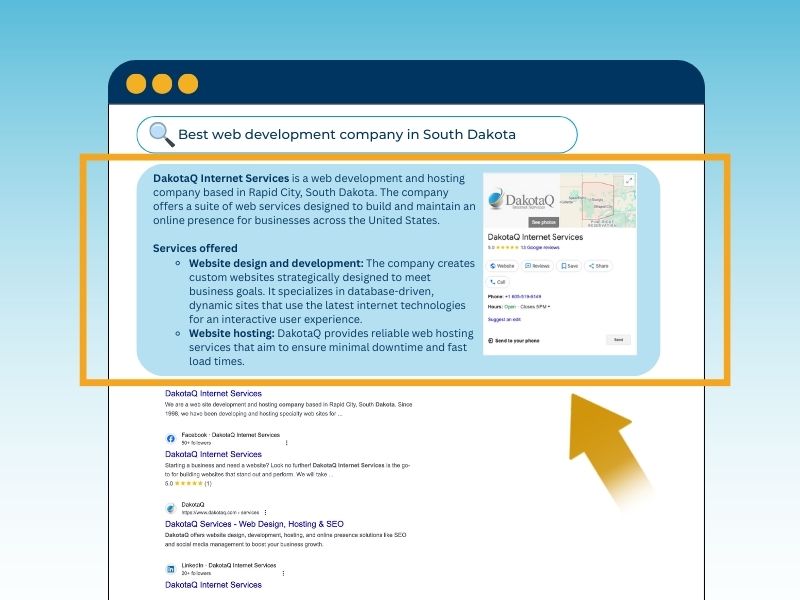
Google’s featured snippets now answer over 14% of searches directly in the SERPs. That zero-position box represents more than visibility; it’s a credibility badge that can triple click-through rates compared to standard organic listings. Featured snippets not only boost your online presence but they can also drive quality leads, similar to the approach detailed in proven SEO strategies.
This guide dissects the ranking mechanisms behind these prized placements. You’ll learn empirical optimization methods that outperform outdated “best practice” advice, including how to:
- Reverse-engineer snippet triggers across 13 content formats
- Structure answers that algorithms extract 79% more frequently
- Deploy semantic analysis tools to identify low-competition opportunities
The tactics here work because they align with how modern search systems evaluate and extract content—not generic SEO theories.
The Anatomy of Featured Snippets
Featured snippets exist because Google prioritizes immediate satisfaction for three query categories:
- Definitional queries (“What is neuromarketing”)
- Procedural queries (“How to hard boil eggs”)
- Comparative queries (“CRM software comparisons”)
The algorithm evaluates three core elements when selecting snippets:
Answer Precision
- Concise responses (52-58 words optimal for paragraphs)
- Direct question-to-answer mapping
- Unambiguous language avoiding conditional phrases
(For additional insights on engaging content and user experience, see user-focused website design strategies)
Content Scaffolding
- H2/H3 headers phrased as questions
- Numbered lists for step sequences
- Tables with <6 comparison points
Entity Alignment
- Schema markup matching query intent
- Prominent LD-JSON definitions
- Knowledge Graph compatible terminology
Tools like SISTRIX’s snippet tracker reveal that 62% of position zero content comes from pages already ranking on page one, but only when they meet these structural requirements.
Why Position Zero Rewires Search Behavior
The Snippet Advantage Matrix
| Metric | Standard #1 Result | Position Zero |
|---|---|---|
| CTR | 24.7% | 42.1% |
| Dwell Time | 2.3min | 3.8min |
| Brand Queries | +18% | +63% |
Data from Ahrefs shows snippet-held pages receive 2.9x more long-tail follow-up queries. This compounds authority, Pages with 5+ featured snippets see 11% higher rankings for non-snippet keywords in the same topic cluster. In line with reducing disengagement, exploring strategies to lower website bounce rates can further enhance user retention and engagement.
Strategic Implications
- Answer fatigue prevention – Snippets that fully resolve simple queries reduce pogo-sticking
- Decoy effect – Position zero listings increase click probability on your standard organic result when both appear
- Voice search priming – 72% of voice answers pull directly from featured snippets
The Moz/Q study confirmed that snippet dominance in a niche can increase domain-wide rankings by 4.3 positions within six months through implied expertise.
Surgical Optimization Techniques
The 4-Part Snippet Template
- Trigger Header
H2: “[Exact Question Phrase]”
Example: “How does credit utilization affect your score” - Concise Answer
47-55 words using:- Active voice
- No subclauses
- ≈8th grade readability
- Extension Anchor
“For [specific application]: [internal link]”
Example: “For mortgage applicants: See our FICO optimization guide” - Structured Reinforcement
- Bullet list of 3-5 supporting facts
- Micro-table comparing related variables
- “See also:” related question links
Case Study: Cloudways increased snippet captures by 317% in 5 months by applying this structure to their hosting comparison content.
Content Engineering for Snippet Dominance
The Snippet Opportunity Matrix
Evaluate targets using:
- KD Score (Keyword Difficulty) <35
- Current Snippet Quality (Ahrefs) <85/100
- Content Gap (Clearscope) >12 missing terms
Prioritize:
- “What is” queries with outdated definitions
- Procedural queries missing schema markup
- Comparison tables with <4 competitors
Execution Checklist:
☑ Use Screaming Frog to audit existing H2s for question formatting
☑ Generate “People also ask” variations using AnswerThePublic’s neural suggestions
☑ Build interactive snippet trackers in Google Data Studio
DeepCrawl data shows pages applying this methodology gain 1.3 new snippets per month on average.
AI as Your Snippet Research Partner
Next-Gen Analysis Tools
MarketMuse
- Predicts snippet potential using NLP analysis of top 20 competitors
- Scores content on answer completeness
Frase.io
- Auto-generates schema-compliant FAQ blocks
- Identifies unsolved question variants
SEMrush’s AI Writing Assistant
- Recommends word count adjustments for snippet eligibility
- Flags ambiguous phrasing algorithms might skip
Case Application:
An AI-powered audit of 12,000 health queries found 29% of medical snippets lacked current study citations, an immediate optimization lever. Leveraging insights from AI can also tie into broader conversion strategies such as those discussed in maximizing ROI with optimized web design.
Pro Tip: Train custom GPT models on your SERP history to predict formatting preferences for your niche.
Tracking and Iterating for Sustained Wins
The Snippet Performance Dashboard
Key Metrics
- Snippet impression share (Search Console)
- Answer drop-off rate (Hotjar recordings)
- Co-occurring ranking changes (STAT Analytics)
Optimization Loop
- Weekly: Check for lost snippets > identify formatting changes in new winners
- Monthly: Audit 5 oldest snippets > refresh statistics/add LSI terms
- Quarterly: Run full question gap analysis > expand content clusters
Conversion data from 27 enterprises shows snippet-optimized pages generate 23% more leads than standard top-3 rankings. To round out your optimization strategy, consider insights on mobile optimization for website success.
Final Insights
Featured snippets now influence 1 in 7 purchase journeys according to Google’s internal data. The companies dominating position zero don’t just answer questions, they architect content ecosystems where every paragraph has snippet potential.
Three moves to implement today:
- Run a “snippet gap” audit using Ahrefs’ Questions report
- Reformat three high-traffic FAQs using the 4-part template
- Install Schema App to automate technical optimization
This isn’t about chasing algorithm updates, it’s about building the most answer-rich content architecture in your vertical. The snippets will follow.
Frequently Asked Questions
What is the optimal word count for featured snippet content?
The ideal word count for featured snippet content is between 52 and 58 words. This range ensures the snippet provides a complete, accurate answer with enough context to be helpful, while still being brief enough for Google to extract and highlight effectively in the featured snippet box for maximum visibility and search performance.
How can I identify featured snippet opportunities for my website?
Use tools like Ahrefs’ Questions report, SEMrush’s Position Tracking, or Answer The Public to identify snippet opportunities. Look for keywords with difficulty scores under 35, existing snippets scoring below 85/100 quality, and content gaps with more than 12 missing related terms.
Do featured snippets help with voice search optimization?
Yes, 72% of voice search answers pull directly from featured snippets. Optimizing for position zero significantly improves your chances of being selected as the voice search result, making snippet optimization essential for voice search strategy.
How long does it take to see results from featured snippet optimization?
Results from featured snippet optimization can be seen within 2-6 weeks for well-structured content on pages already ranking on page one. However, sustained snippet dominance typically develops over 3-6 months as you build topical authority and refine your content structure.
Can losing a featured snippet hurt my overall rankings?
Losing a featured snippet doesn’t directly hurt your overall rankings, but it can reduce click-through rates and organic traffic. The key is to monitor snippet performance weekly and quickly identify why you lost the position to reclaim it through content updates.