
Estimated reading time: 8 minutes
Key Takeaways
- Entity-based SEO focuses on helping search engines understand concepts and their relationships rather than just keywords.
- AI-powered search engines now prioritize semantic understanding and context over exact keyword matches.
- Schema markup is crucial for defining entities and improving visibility in rich results and Knowledge Panels.
- Google’s Knowledge Graph rewards brands that consistently define their entities across all platforms.
- Semantic search optimization requires content that addresses user intent and covers related subtopics comprehensively.
Table of contents
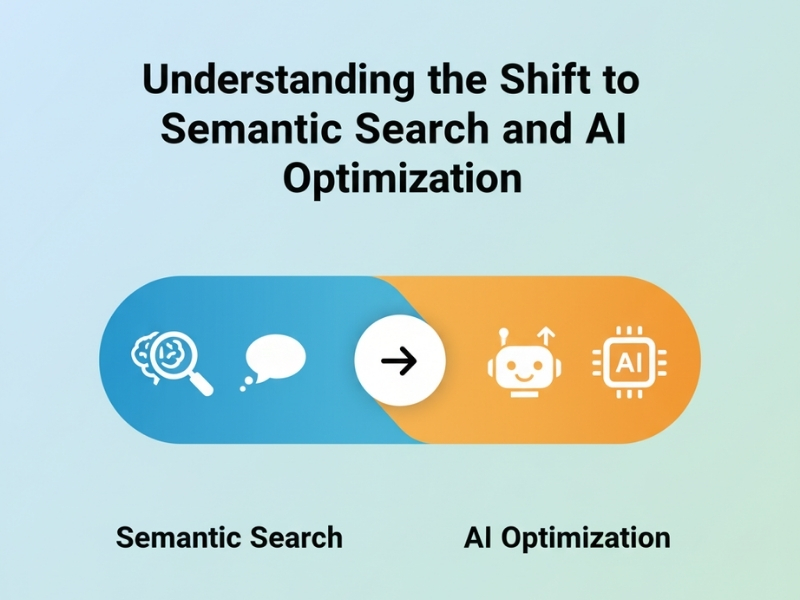
Search engines have evolved from simple keyword matching to interpreting meaning, context, and relationships. This shift is powered by entity-based SEO, where entities, distinct concepts like brands, people, or products, are the foundation of search understanding.
Unlike traditional SEO, which treats “Apple” as a string of letters, entity-based SEO discerns whether the term refers to the tech giant or the fruit by analyzing connections in content. Semantic search and AI now drive results, prioritizing intent and context over exact word matches.
For brands, this means visibility hinges on how well search engines recognize and connect entities. Let’s explore how to harness this for competitive advantage.
Understanding Entity-Based SEO
The Core Concept
An entity is any uniquely identifiable concept: a business, location, product, or even abstract ideas like “sustainability.” Entity-based SEO focuses on helping search engines understand these elements and their relationships.
For example, a page about “DakotaQ Internet Services” should clearly establish the brand as an entity and link it to related concepts, web development, UX design, e-commerce, to avoid ambiguity.
Why It Matters
Search algorithms now prioritize entities to deliver precise answers. They power features like:
- Knowledge Panels
- Voice search responses
- AI-generated summaries
Brands that neglect entity optimization risk fading into obscurity as AI reshapes search.
Optimizing for AI-Powered Search
How AI Processes Entities
Modern AI (Google’s Gemini, ChatGPT) relies on knowledge graphs, vast networks linking entities. Upon encountering “web design,” AI associates it with “HTML,” “mobile responsiveness,” and “loading speed,” creating richer responses.
For insights on technological advancements in AI and its integration with modern web trends, check out Web Development Innovations to Expect in 2025.
Key Strategies
- Define Primary Entities
Center each page around a core entity (e.g., “DakotaQ’s SEO services”). - Support with Related Entities
For “web development,” include terms like “JavaScript frameworks” or “CMS platforms.” - Use Schema Markup
Explicitly label entities with structured data to eliminate guesswork.
Example: A service page might structure content around “DakotaQ” (primary entity), supported by “enterprise SEO,” “technical audits,” and “content strategy.”
Schema Markup for Brand Visibility
What Schema Does
Schema markup translates your content into machine-readable code, clarifying entities for search engines. Key types for brands:
- Organization/LocalBusiness: Company details
- Product/Service: Offerings
- Person: Key team members
Implementation Steps
- Select Relevant Schema: Match schema types to page content (e.g., “Service” for a services page).
- Generate Code: Use tools like Google’s Structured Data Helper.
- Validate: Test markup with Google’s Rich Results Tool.
Impact: Proper schema boosts eligibility for rich snippets and Knowledge Graph inclusion. For additional tactics to enhance online visibility, consider reading our article on Web Design Tips to Elevate Your Digital Agency’s Impact.
Semantic Search and Content Strategy
Beyond Keywords
Semantic search interprets user intent. A query like “best CRM for small businesses” seeks comparisons, not definitions. Content must answer implied questions to rank.
Optimization Tips
- Cover Subtopics Thoroughly: A page on “email marketing” should discuss segmentation, automation, and metrics.
- Use Natural Language: Align with conversational queries (e.g., “How does schema markup help SEO?”).
- Link Entities Contextually: Explain how services like “UX design” impact “conversion rates.”
To further enhance your content strategy and drive conversions, explore our insights in Increase Leads with SEO: Essential Strategies for Agencies.
Google’s Knowledge Graph: A Brand’s Competitive Edge
How It Works
The Knowledge Graph is Google’s entity database, fueling features like Knowledge Panels. It pulls data from schema-markup sites, Wikipedia, and business profiles.
Brand Integration Tactics
- Maintain Consistency: Ensure identical NAP (Name, Address, Phone) details across all platforms.
- Leverage Schema: Use Organization and LocalBusiness markup to reinforce entity details.
- Update Regularly: Add new services, team members, or milestones to stay current.
Outcome: Enhanced authority, better voice search visibility, and richer SERP displays.
Frequently Asked Questions
Can entity-based SEO work without schema markup?
Yes, but schema significantly improves entity recognition for rich results and Knowledge Panels.
How do I choose entities to target?
Identify core topics your content addresses (products, services, expertise), then map supporting terms.
How long until entity optimization shows results?
Allow 3–6 months for rankings, though schema can trigger rich snippets sooner.
Entity-based SEO is no longer optional. As AI and semantic search dominate, brands must structure content around entities and relationships. Start with schema markup, consistent entity definitions, and semantically rich content.
Ready to future-proof your search presence? Contact DakotaQ Internet Services for tailored entity optimization and web development strategies.