
Estimated reading time: 8 minutes
Key Takeaways
- Topical Silos > Random Links – Group related content into clusters with bidirectional linking between pillar pages and subtopics.
- Contextual Anchors > Generic Phrases – Replace “click here” with descriptive links like *”scalable WordPress hosting for agencies.”*
- Entity-Centric Targets – Link to service pages using specific names rather than generic terms.
- Audit for AI Signals – Track LLM-specific metrics like entity query rankings and AI Overview inclusions post-implementation.
Table of contents
The most effective agencies aren’t just building internal links, they’re architecting semantic pathways that AI models intuitively follow.
Traditional internal linking focused on PageRank flow and site navigation. Modern strategies prioritize contextual relationships, the connections between topics, entities, and user intent that large language models (LLMs) analyze to assess content relevance.
Consider Google’s Search Generative Experience (SGE). When generating responses, it doesn’t just scan keywords; it evaluates:
- How pages within a site thematically interconnect
- Whether anchor text and surrounding content clarify entity relationships
- Whether the site’s topical coverage demonstrates depth and authority
This guide details how agencies implement semantic linking structures that align with AI comprehension patterns.
Why Semantic Linking Matters for AI Visibility
How LLMs Interpret Links Differently
Where classical SEO treated internal links as equity-passing conduits, AI models read them as semantic signposts.
- Anchor Text: Indicates the linked page’s topical focus
(“Managed agency hosting” signals different content than “hosting for startups”) - Surrounding Context: Reinforces relationships
(“Agencies using [white-label WordPress development](link) reduce client onboarding time by 30%” ties the service to a measurable outcome) - Silo Structure: Demonstrates thematic authority
(Interlinked pages about local WordPress hosting suggest deeper expertise than isolated articles)
Real Impact: A SaaS client restructuring links around product entities saw a 42% increase in SGE appearances within four months.
Core Principles of AI-Optimized Linking
1. Thematic Coherence
Every Link Should Answer:
“Why does this page logically belong in this cluster?”
- Do: Link “backup protocols for managed hosting” → “agency hosting security standards”
- Avoid: Linking “website speed optimization” → “brand logo design tips”
2. Entity-Rich Anchors
Strong Examples:
- “GDPR-compliant hosting for European agencies“
- “Custom WordPress development workflows for high-volume studios”
Weak Examples:
- “Learn more about our services”
- “Read this article”
3. Predictable Architecture
URL Structure Signals Relevance:
/agency-hosting/security-features
/agency-hosting/scalability-options
Breadcrumbs and pillar-linked subtopics reinforce hierarchy. Avoid orphaned pages (none should require more than three clicks from the homepage).
Building Topical Silos for LLMs
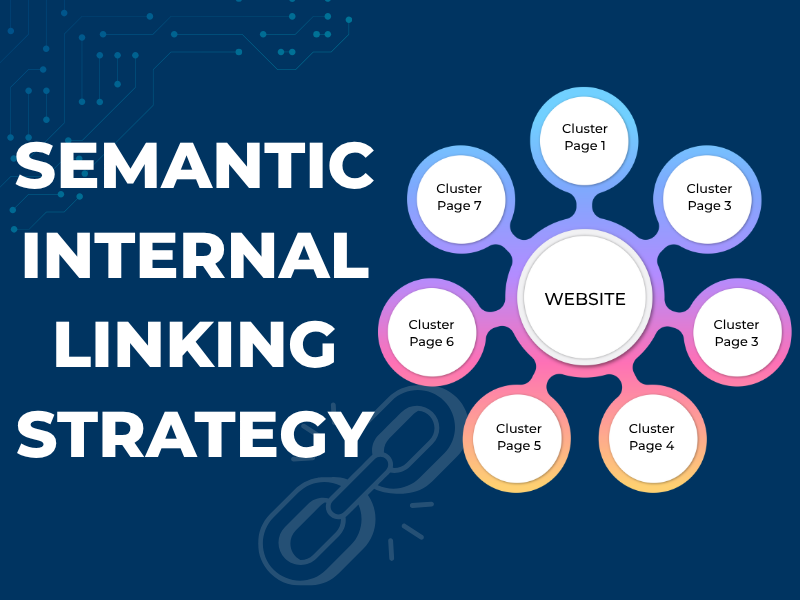
Structuring Clusters
| Pillar Page (Broad Topic) | → | Subtopic (Specific Aspect) |
|---|---|---|
| Managed WordPress Hosting | → | Agency Dashboard Controls |
| White-Label Development | → | Client Approval Workflows |
Implementation Rules:
- Each subtopic links back to its pillar
- Pillars link to all subtopics
- Related subtopics laterally link (security ↔ backup protocols)
Silo Performance: A design firm’s silo around “B2B website UX” increased time-on-page by 35% above industry benchmarks.
Contextual Linking in Practice
Anchor Text Optimization
Goal: 60-70% of anchors should be descriptive.
Variations for a WordPress Maintenance Service Page:
- “Automated WordPress maintenance for busy agencies”
- “Reduce client churn with proactive CMS updates”
Embedding Semantic Context
Strong Linking Sentence:
“Agencies using [24/7 WordPress Support](link) report 40% fewer late-night emergency calls.”
Weak Linking Sentence:
“Our [support team](link) is available 24/7.”
Notable elements:
- Entity name (24/7 WordPress Support)
- Quantified outcome (40% fewer calls)
- Audience specificity (agencies)
Measuring Success
Key Metrics
- Search Console:
- Impressions for entity queries (white-label WordPress development)
- Coverage improvements for silo pages
- Third-Party Tools:
- Ahrefs/SEMrush anchor text diversity reports
- Sitebulb orphan page audits
- AI-Specific Signs:
- Appearance in SGE responses
- Featured snippets for entity terms
Final Recommendation
Semantic linking isn’t a one-time task. Agencies should:
- Audit quarterly for orphaned pages and anchor imbalance
- Track LLM visibility separately from traditional rankings
- Prioritize edits where links lack context (e.g., blog posts with generic “read more” anchors)
Teams pressed for time can delegate structure audits to specialized partners, which offer white-label semantic audits.
Frequently Asked Questions
What makes semantic internal linking different from traditional linking?
Semantic internal linking focuses on contextual relationships that AI models can understand, rather than just passing PageRank. It emphasizes entity-rich anchor text, thematic coherence, and topical clustering to help LLMs comprehend site structure and content relevance.
How many internal links should I include per page?
Quality matters more than quantity. Focus on 3-5 highly relevant, contextual links per 1,000 words. Each link should serve a clear semantic purpose and connect related topics within your content silos.
Can semantic linking improve my chances of appearing in AI-generated responses?
Yes. Well-structured semantic links help AI models understand your content’s topical authority and entity relationships, increasing the likelihood of inclusion in SGE responses, ChatGPT citations, and other AI-generated content.
How do I identify orphaned pages in my site structure?
Use tools like Sitebulb, Screaming Frog, or Google Search Console to identify pages with no internal links pointing to them. These orphaned pages miss out on both crawl equity and semantic context signals.
What’s the ideal anchor text distribution for semantic linking?
Aim for 60-70% descriptive, entity-rich anchors, 20-30% branded terms, and 10-20% generic phrases like “learn more.” This distribution provides context while maintaining natural link patterns.