
Estimated reading time: 8 minutes
Key Takeaways
- AI citations deliver high-intent traffic and enhance brand authority through proxy endorsement
- Schema markup and structured content act as roadmaps for AI extraction and attribution
- E-E-A-T signals and technical crawlability determine source selection
- Q&A formatting, bullet points, and concise answers mirror how users prompt AI tools
- Agencies can package AI citation optimization as a premium service with measurable deliverables
Table of contents
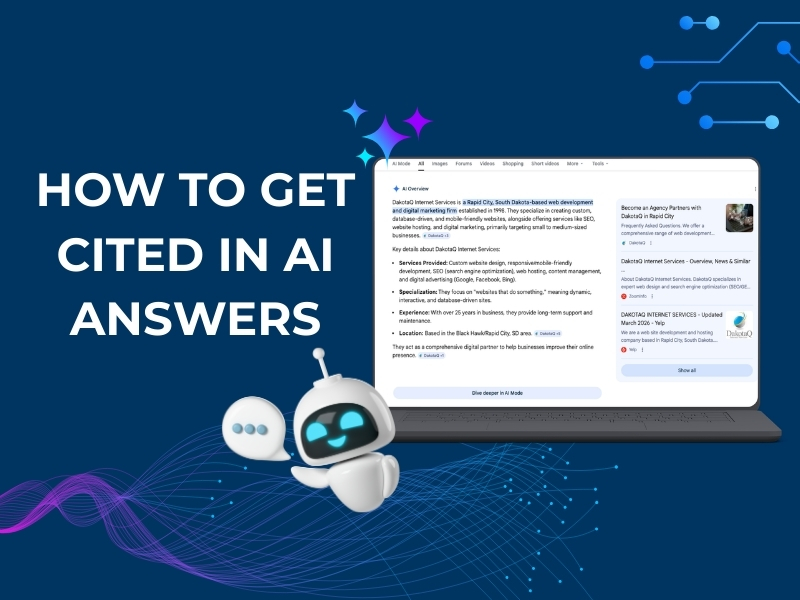
When AI tools like ChatGPT or Google’s AI Overviews reference a brand as a source, it’s more than a vanity metric. These citations drive measurable outcomes that agencies can directly tie to client growth.
For agencies, this isn’t speculative futurism. It’s a billable service with clear deliverables: schema implementation, content restructuring, and authority-building campaigns that directly influence whether clients appear in AI responses.
Why AI Citations Impact Client Growth
AI citations deliver three key benefits that translate to tangible client outcomes:
- High-intent traffic — Users who engage with AI-generated answers often convert at higher rates than traditional search visitors
- Authority by proxy — A citation implies endorsement, elevating brand perception without direct promotion
- Competitive separation — Most businesses haven’t optimized for AI sourcing, creating a first-mover advantage
The shift is already measurable. Brands appearing in AI responses report 20-40% higher click-through rates from referred traffic compared to traditional organic search.
How AI Tools Select Sources
AI models prioritize content based on four key factors that agencies must understand:
1. Technical Crawlability
Pages must be indexable with clean sitemaps, fast load times, and server-rendered text. JavaScript-dependent content is often overlooked by AI retrieval systems.
2. Structured Data Clarity
Schema markup (Article, FAQPage, HowTo) acts as a roadmap for AI systems, signaling what content to extract and how to attribute it properly.
3. Authority Signals
Links from high-trust domains, author credentials, and consistent updates reinforce E-E-A-T (Experience, Expertise, Authoritativeness, Trustworthiness) factors.
4. Content Alignment with User Queries
Pages that answer questions directly—using conversational language, bullet points, and Q&A formatting—mirror how people prompt AI tools.
Understanding Retrieval vs. Closed Models:
- Tools like Perplexity and browsing-enabled ChatGPT pull from live web content, making freshness critical
- Offline models (e.g., standard ChatGPT) rely on pre-trained data, requiring longer-term authority building
7-Pillar Framework for AI Citations
1. Restructure Content for Extraction
Begin key pages with a concise answer to the target query. Use a Q&A format and bulleted lists that AI can easily quote.
Example: Instead of a 300-word intro, lead with:
“The fastest way to get cited by AI tools is to publish structured, schema-marked content that answers common questions in your niche.”
2. Implement Strategic Schema Markup
Prioritize these essential schema types:
- Article schema (with
datePublished,author,publisher) - FAQPage schema for question-focused content
- Organization schema with
sameAslinks to Wikidata, Wikipedia, and LinkedIn
3. Optimize Technical Foundations
- Audit robots.txt and XML sitemaps for crawl accessibility
- Ensure critical content loads without JavaScript dependencies
- Resolve crawl errors in Google Search Console
4. Build Knowledge Graph Presence
Claim Google Business Profile and Wikidata entries. Entity-based SEO helps AI tools understand brand connections and credibility.
Standardize NAP (Name, Address, Phone) data across all directories.
5. Earn Off-Site Authority
- Secure backlinks from industry publications and thought leadership platforms
- Publish data-driven reports or contribute to open datasets
- Guest post on high-authority sites with proper attribution
6. Monitor AI Visibility
Test target queries monthly in ChatGPT, Perplexity, and Claude. Track SEO performance in ChatGPT responses to measure citation frequency.
Monitor referral traffic from AI sources in Google Analytics using UTM parameters.
7. Iterate Based on Performance
Analyze which content formats generate more citations and replicate successful patterns across client websites.
Execution Playbook for Agencies
Follow this systematic approach to implement AI citation strategies for clients:
- Audit Existing Content
Identify pages with high conversion potential but low AI visibility through competitor analysis - Rewrite for AI Prioritization
Add TL;DR summaries and Q&A sections to key pages that address common industry questions - Deploy Schema Markup
Use JSON-LD for Article, FAQPage, and Organization schemas across priority pages - Launch Authority Campaigns
Pitch bylined articles to niche publications and update entity profiles across platforms - Measure Impact
Track branded citations, AI referral traffic, and SERP feature growth monthly
Timeline expectations: Most clients see initial AI citations within 4-8 weeks, with significant visibility improvements after 3-6 months of consistent optimization.
Overcoming Common Barriers
Challenge: Thin or paywalled content limiting AI access
Solution: Expand publicly accessible content with actionable insights while keeping premium content gated
Challenge: Low domain authority affecting citation likelihood
Solution: Focus on earning 3–5 high-quality backlinks from industry hubs before expecting consistent AI citations
Challenge: Slow crawl rates delaying AI model updates
Solution: Migrate to performant hosting with sub-200ms response times and implement proper caching
Challenge: Competing with established authorities
Solution: Target long-tail, specific queries where smaller brands can establish topical expertise
Results compound over time, consistent optimization leads to increased visibility across all AI platforms. For teams looking to streamline execution, white-label partners handle the technical heavy lifting while your agency owns the client relationship.
Next Steps:
- Audit one client’s top 10 pages for crawlability and schema gaps
- Repurpose a high-converting blog post into an AI-friendly Q&A format
- Test the revised page’s visibility in ChatGPT within 4 weeks
Frequently Asked Questions
How long does it take to see AI citations after optimization?
Most websites see initial AI citations within 4-8 weeks of implementing structured data and content optimization. However, consistent citations from multiple AI tools typically develop after 3-6 months of sustained optimization efforts.
Which schema markup types are most important for AI citations?
Article schema with proper author and publisher information, FAQPage schema for Q&A content, and Organization schema with sameAs properties are the highest priority. These help AI tools understand content context and provide proper attribution.
Do AI citations actually drive measurable traffic?
Yes, brands appearing in AI responses report 20-40% higher click-through rates compared to traditional organic search results. Users who engage with AI-generated answers often have higher intent and convert at better rates.
Can small websites compete with major publications for AI citations?
Absolutely. AI tools often prioritize relevance and content quality over pure domain authority. Small websites can succeed by targeting specific long-tail queries and providing comprehensive, well-structured answers in their niche.
How do I track if my content is being cited by AI tools?
Monitor AI citations by regularly testing target keywords in ChatGPT, Perplexity, and Claude. Set up Google Analytics tracking for referral traffic from AI sources, and use tools that monitor brand mentions across AI platforms.