
Estimated reading time: 8 minutes
Key Takeaways
- Google Knowledge Graph recognition provides unmatched visibility and credibility for brands
- Entity recognition requires structured data, authoritative citations, and consistent brand profiles
- Schema implementation and Wikidata entries are critical first steps
- Knowledge Panels typically appear within 6-12 months with proper optimization
- This represents a high-value service opportunity for agencies
Table of contents
Securing a place in the Google Knowledge Graph is one of the most impactful services agencies can offer clients. Brands featured in Knowledge Panels gain unmatched visibility, credibility, and click-through rates, advantages that traditional SEO alone can’t match.
This guide provides a clear roadmap for agencies, covering everything from schema implementation to citation strategy and Knowledge Panel claiming. Whether you handle this in-house or partner with a white-label provider like DakotaQ, these tactics are proven to accelerate entity recognition.
What Is the Google Knowledge Graph and Why It Matters
The Engine Behind Knowledge Panels
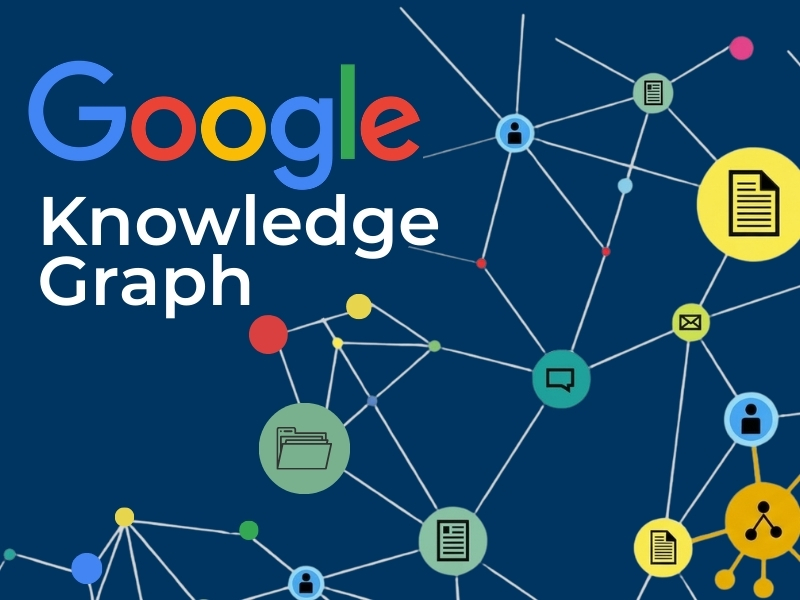
Google’s Knowledge Graph is a vast network mapping entities, brands, people, places and their relationships. It powers Knowledge Panels, the information cards that appear beside search results, displaying logos, social links, descriptions, and key facts.
When a brand earns a Knowledge Panel, it signals Google recognizes it as a notable, real-world entity. This isn’t just a search result; it’s a trust indicator.
Entity Recognition SEO vs. Traditional SEO
Traditional SEO focuses on keywords and backlinks. Entity recognition hinges on proving a brand’s legitimacy through structured data, authoritative citations, and consistency across platforms.
Google’s 2024 updates place even greater emphasis on E-E-A-T (Experience, Expertise, Authoritativeness, Trustworthiness), making entity optimization a premium service. Clients who invest in it gain a competitive edge that’s difficult to replicate.
Core Signals Google Uses for Entity Recognition
What Google Needs to See
Google evaluates several on- and off-site signals to determine if a brand qualifies for the Knowledge Graph:
- On-Site Structured Data
JSON-LD schema (Organization, Person, WebSite) explicitly defines the brand’s identity. Without it, Google guesses. - Authoritative Citations
Mentions from high-trust sources like Wikipedia, Wikidata, and industry publications validate notability. - Consistent Brand Profiles
Verified social profiles (LinkedIn, Twitter/X) listed in `sameAs` fields reinforce entity legitimacy. - Engagement Signals
High click-through rates for branded searches and dwell time signal user trust.
Missing any of these weakens entity recognition.
Immediate Technical Checklist (Fast Wins)
Prioritize these foundational steps within the first 30 days:
- Schema Implementation
- Add Organization schema to the homepage and About page.
- Include `sameAs` links to verified social profiles.
- Validate markup using Google’s Rich Results Test.
- Content Optimization
- Refresh the About page with a concise brand description (50–160 characters) and leadership details.
- Ensure NAP (Name, Address, Phone) consistency sitewide.
- Technical Hygiene
- Submit an XML sitemap to Google Search Console.
- Fix canonicalization issues (e.g., HTTPS, trailing slashes).
Schema for Entity Authority: Practical Examples
Why Schema Matters
Schema eliminates ambiguity. JSON-LD tells Google, This brand is an Organization, here’s its name, logo, and official profiles, speeding up entity recognition.
Organization Schema Template
<script type="application/ld+json">
{
  "@context": "https://schema.org",
  "@type": "Organization",
  "name": "Your Client",
  "url": "https://yourclient.com",
  "logo": "https://yourclient.com/logo.png",
  "sameAs": [
    "https://twitter.com/yourclient",
    "https://www.linkedin.com/company/yourclient"
  ]
}
</script>
Key Notes:
- Use a high-res logo (1200×1200 px).
- Only include canonical social profiles.
- The `sameAs` array should reference Wikidata once the Q-item exists.
Person Schema for Leadership
Link executives to the brand by embedding Person schema on bio pages:
{
  "@type": "Person",
  "name": "Jane Doe",
  "jobTitle": "CEO",
  "worksFor": { "@id": "https://yourclient.com/#organization" }
}
Content and Citation Strategy
Building Authority On- and Off-Site
- On-Site Content
Create detailed About, Leadership, and Press pages. These act as reference points for Google. - Off-Site Citations
Secure listings on Wikidata, Crunchbase, and industry directories. Pitch earned media coverage in niche publications.
Tip: Inconsistent NAP data harms entity clarity. Audit citations using tools like Ahrefs to ensure uniformity.
Claiming a Knowledge Panel
Once Google generates a Knowledge Panel:
- Click “Claim this knowledge panel” in search results.
- Verify ownership via Google Search Console or a linked social profile.
- Submit edits (e.g., logo, description) with credible sources (official website, Wikidata).
No Panel Yet? Double down on citations and schema. Wikidata is often the fastest path to eligibility.
Monitoring and Timeline
| Phase | Key Actions | KPIs |
|---|---|---|
| 0–30 Days | Implement schema, fix NAP issues | Schema validation, indexed sitemap |
| 3–6 Months | Build citations, Wikidata Q-item | New SERP features, branded traffic |
| 6–12 Months | Panel appearance, claimed edits | 20%+ CTR increase |
Final Note: Entity optimization is a long-term play, but for agencies, it’s a high-value differentiator. Implement schema, cultivate citations, and monitor progress—the results speak for themselves.
For agencies needing white-label support, DakotaQ handles the technical execution while you manage client relationships.
Frequently Asked Questions
How long until a Knowledge Panel appears?
Typically 6–12 months, depending on existing notability and the consistency of signals Google receives about the entity.
Can we guarantee a panel for clients?
No. Google’s algorithms control placement, but structured data and citations maximize eligibility. Focus on building the foundational signals that Google looks for.
Should we edit Wikipedia directly?
Only if the brand meets Wikipedia’s notability guidelines. Wikidata is a safer starting point as it has lower barriers to entry and directly feeds the Knowledge Graph.