
AI Search Intent Classification: Agency Playbook to Predict User Goals, Map Queries, and Align Content
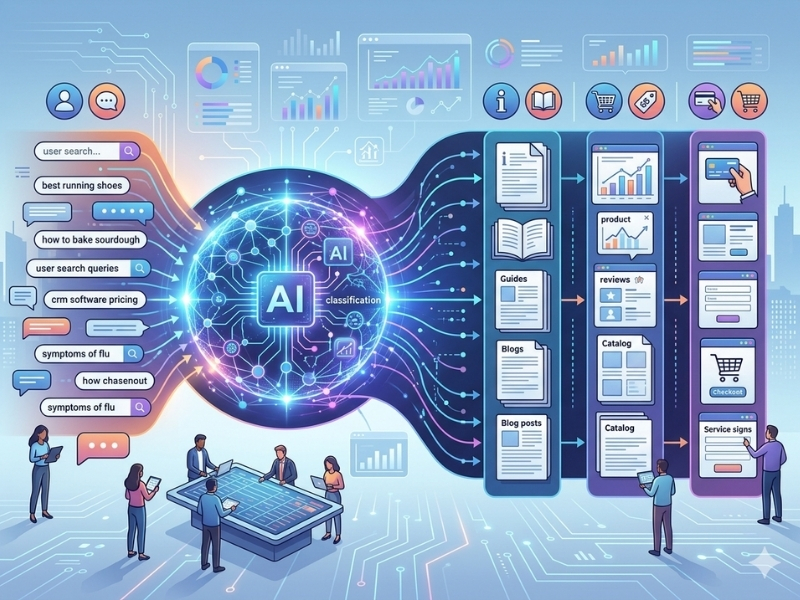
Estimated reading time: 12 minutes Key Takeaways Search intent classification using AI helps agencies predict user goals beyond traditional keyword matching. Modern queries fall into five categories: informational, generative, commercial, transactional, and navigational. Generative intent is the fastest-growing category as users expect AI to create outputs rather than just provide information. AI models like GPT-4 […]
Snippet-Ready Content Formatting: How to Structure Posts for AI Summaries and Search Snippets
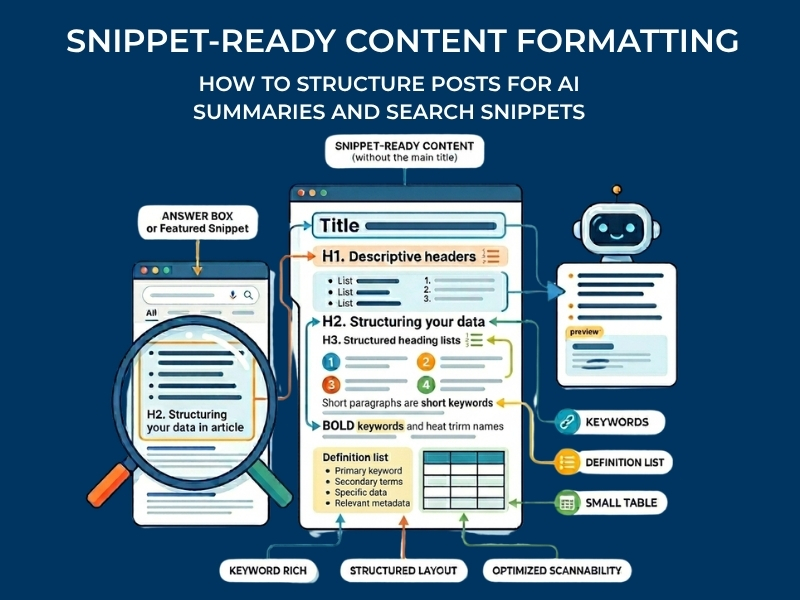
Estimated reading time: 12 minutes Key Takeaways Snippet-ready formatting increases AI summary visibility without additional ad spend AI prioritizes structured content with clear headings, direct answers, and scannable lists Use H2 questions, 40-60 word answers, and bullet points for optimal extraction Schema markup and semantic HTML significantly boost content discoverability Agencies can implement scalable workflows using […]
Advanced Schema Markup Strategy: A Practical Guide for Service Agencies
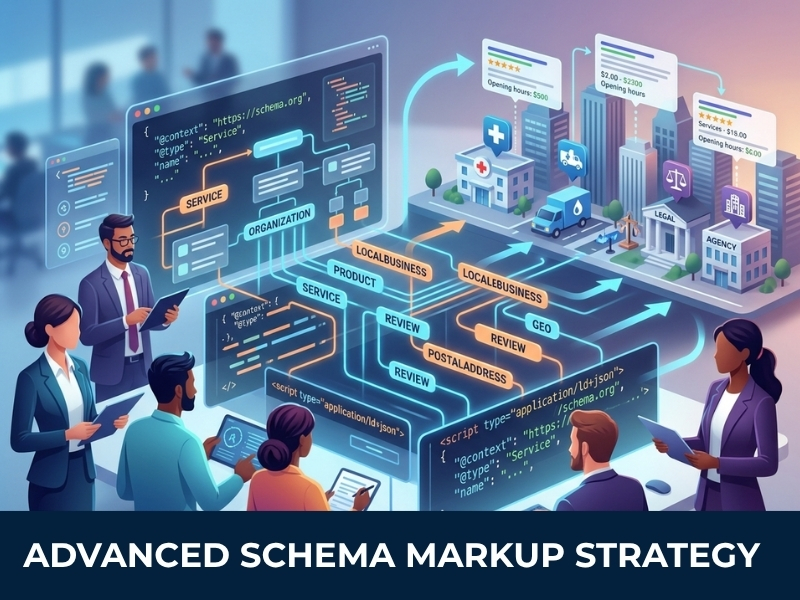
Estimated reading time: 8 minutes Key Takeaways Advanced schema markup drives 20-30% higher click-through rates for service agencies Structured data implementation should be treated as infrastructure, not one-off tasks JSON-LD format provides the most reliable and scalable implementation method FAQ schema significantly improves visibility in AI overviews and search features Connected markup systems create stronger […]
How to Design a Website for AI Indexing: A Practical Agency Guide to Semantic HTML, JSON-LD, and Server-Side Rendering
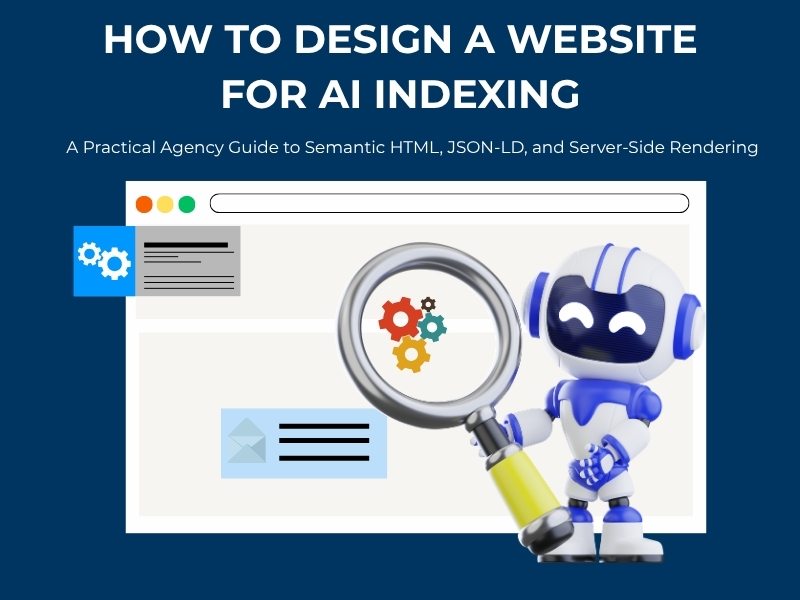
Estimated reading time: 8 minutes Key Takeaways Semantic HTML and entity-based optimization are fundamental for AI indexing success. Modular content blocks allow AI systems to extract and cite information independently. JSON-LD schema markup significantly improves AI parsing accuracy and context understanding. Server-side rendering (SSR) ensures AI crawlers access fully rendered content. E-E-A-T signals become critical […]
Semantic Internal Linking Strategy: How Agencies Build AI-Friendly Link Structures to Improve LLM Visibility
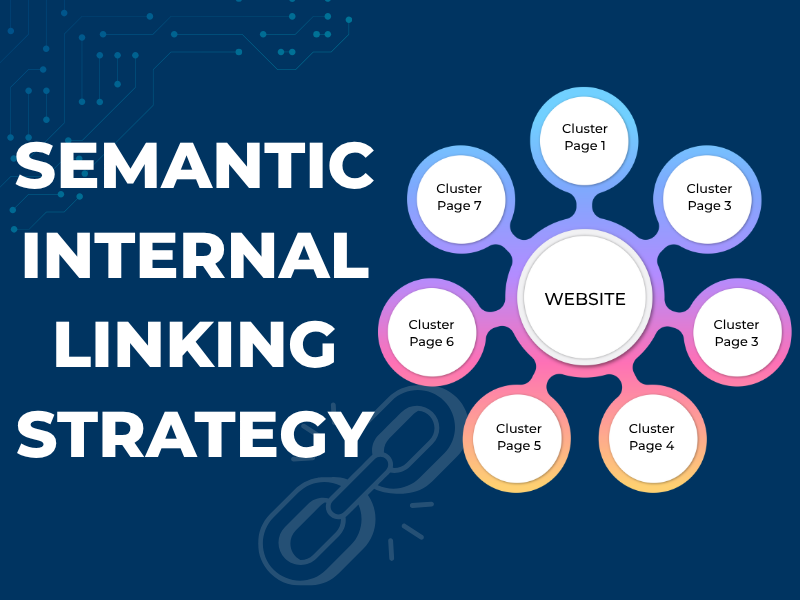
Estimated reading time: 8 minutes Key Takeaways Topical Silos > Random Links – Group related content into clusters with bidirectional linking between pillar pages and subtopics. Contextual Anchors > Generic Phrases – Replace “click here” with descriptive links like *”scalable WordPress hosting for agencies.”* Entity-Centric Targets – Link to service pages using specific names rather […]
Structured Brand Data for AI: A Technical Guide to JSON-LD, Semantic HTML, and Crawlability
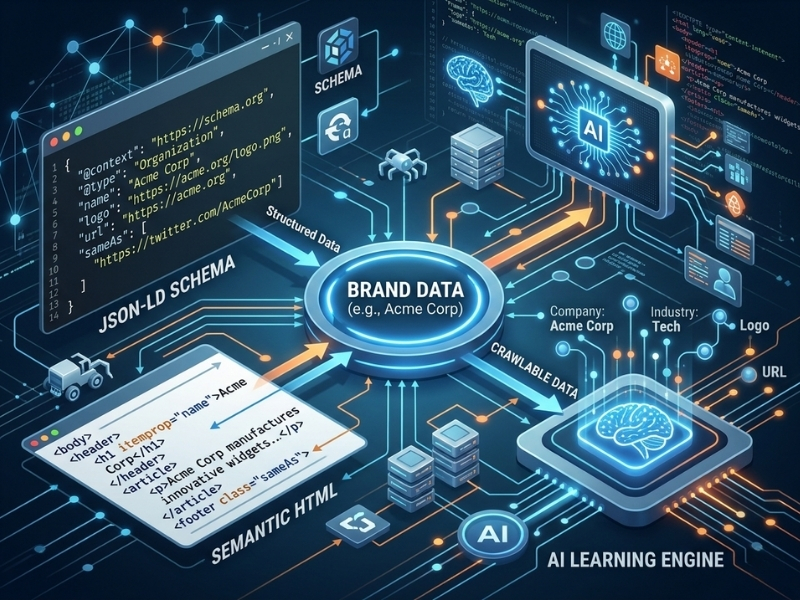
Estimated reading time: 12 minutes Key Takeaways JSON-LD is non-negotiable – The script-based format outperforms microdata and RDFa for maintenance and reliability. Semantic HTML validates structured data – Elements like ` ` and ` ` reinforce entity signals. Dedicated JSON endpoints improve crawlability – AI systems prioritize machine-readable endpoints over parsed HTML. Monitoring prevents drift […]
How to Get Into Google Knowledge Graph: A Practical Step-by-Step Guide for Agencies — Schema, Citations & Claiming Process
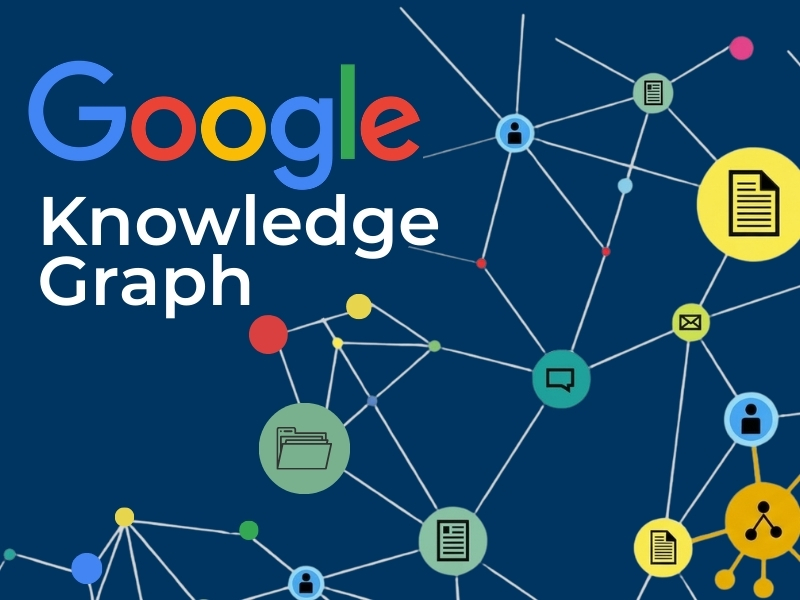
Estimated reading time: 8 minutes Key Takeaways Google Knowledge Graph recognition provides unmatched visibility and credibility for brands Entity recognition requires structured data, authoritative citations, and consistent brand profiles Schema implementation and Wikidata entries are critical first steps Knowledge Panels typically appear within 6-12 months with proper optimization This represents a high-value service opportunity for […]
Entity-Based Content Strategy: Step-by-Step Guide for Agencies to Build Topical Authority with Semantic Site Architecture
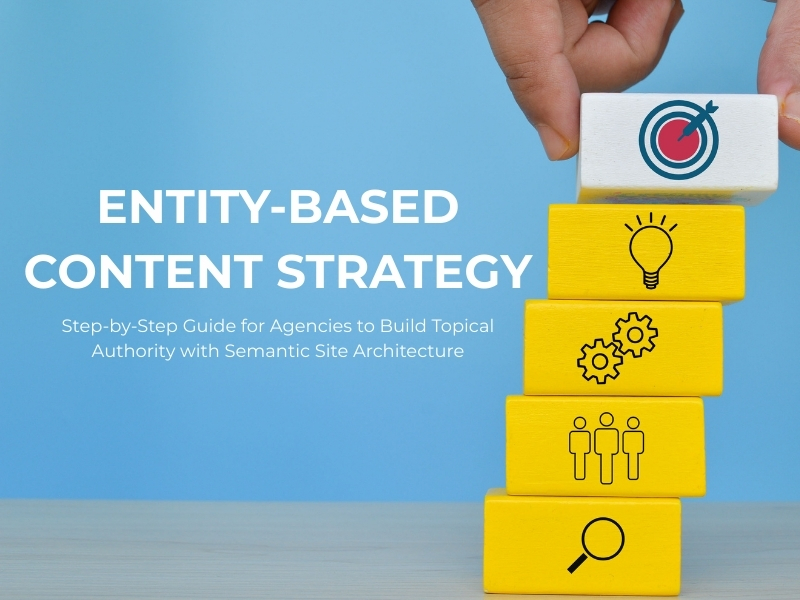
Estimated reading time: 8 minutes Key Takeaways Entity-based content strategy organizes sites around concepts and their relationships, not just keywords. Google’s Knowledge Graph and AI-driven search prioritize semantic understanding over keyword density. Topical authority through topic clusters can increase SERP features by 20-50%. Semantic site architecture builds durable assets that perform well across search engines […]
How to Get Cited in AI Answers: An Actionable SEO & Content Playbook for Agencies — Schema, Structured Content, Authority & Monitoring
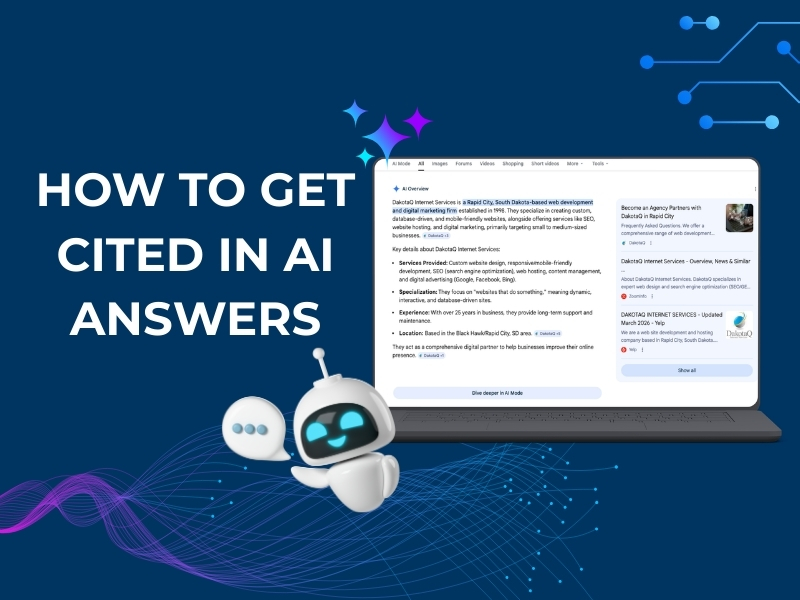
Estimated reading time: 8 minutes Key Takeaways AI citations deliver high-intent traffic and enhance brand authority through proxy endorsement Schema markup and structured content act as roadmaps for AI extraction and attribution E-E-A-T signals and technical crawlability determine source selection Q&A formatting, bullet points, and concise answers mirror how users prompt AI tools Agencies can […]
Trust Signals for AI Search: How Agencies Prove Expertise to LLMs and Conversational Engines
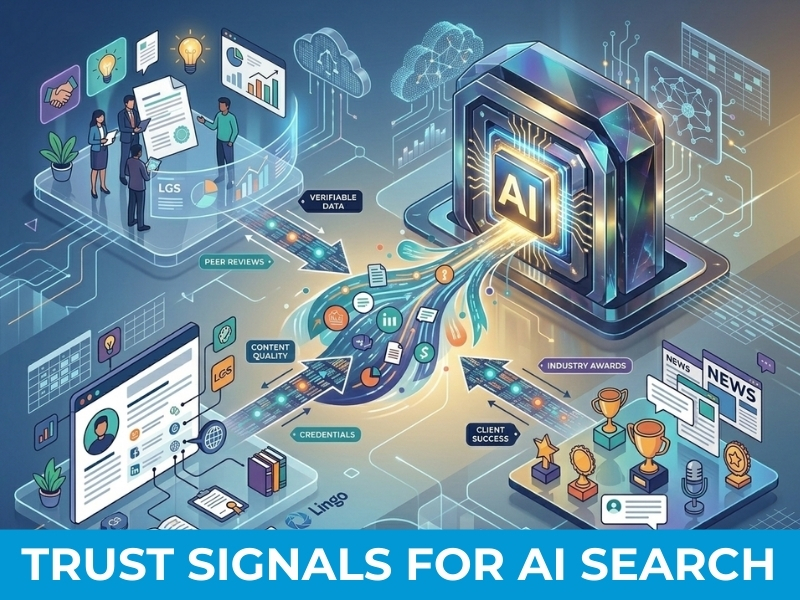
Estimated reading time: 7 minutes Key Takeaways AI search engines evaluate credibility through trust signals rather than just keywords and backlinks. Named authorship with credentials significantly outperforms anonymous content in AI-generated answers. Entity verification and brand consistency across platforms are critical for AI citation. Structured data and schema markup help AI systems understand and verify […]